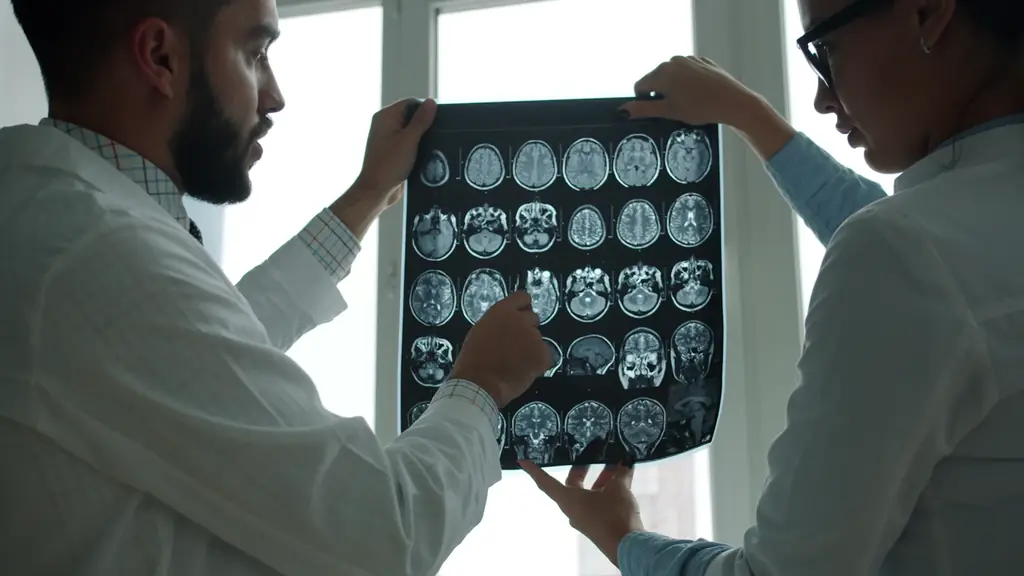
 Obesity and Weight Management
 Diabetes
 Thyroid Diseases
 Parathyroid Diseases
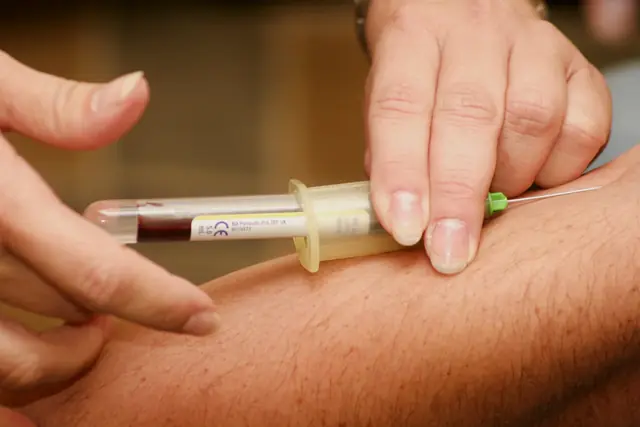 Dyslipidaemia (Cholesterol)
 Hypertension
 Osteoporosis
 Adrenal Gland Diseases
 Pituitary Diseases
 Sleep Disorders and Hormones
 Pregnancy and Endocrine Diseases
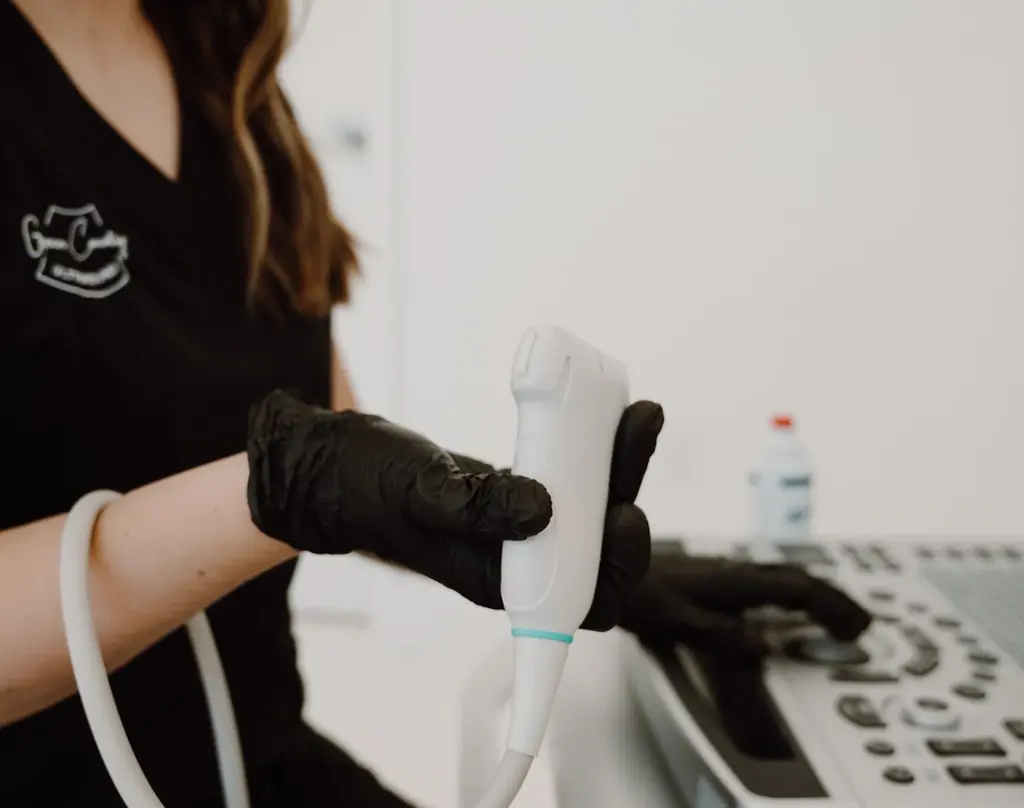
A thyroid fine-needle aspiration biopsy (FNAB) takes a small cell sample from a nodule to determine whether it is benign or malignant. It is the most reliable and least invasive test for this purpose.
Which Nodules Need a Biopsy?
The decision depends on size and ultrasound features (composition, echogenicity, margins, shape, calcifications), summarised in risk systems such as TI-RADS, plus clinical risk factors.
The Procedure
- You lie on your back with the neck slightly extended.
- The skin is cleaned and the nodule is located with ultrasound.
- A needle thinner than a blood-test needle takes 2–4 samples.
- Pressure is applied and a small plaster placed.
It takes 10–15 minutes and most people describe it as similar to a blood test. Tell your doctor in advance if you take blood thinners — never stop them on your own.
Results (Bethesda System)
Category I non-diagnostic (repeat), II benign (follow-up), III–IV indeterminate (repeat, molecular testing or surgical review), V suspicious and VI malignant (usually surgery). There is no evidence that biopsy spreads cancer.
Frequently asked questions
Does a benign nodule need another biopsy?
Usually it is followed with ultrasound; biopsy is repeated only if it grows significantly or its features change.

Content on this website is for information only and does not replace a medical consultation.