 Obesity and Weight Management
 Diabetes
 Thyroid Diseases
 Parathyroid Diseases
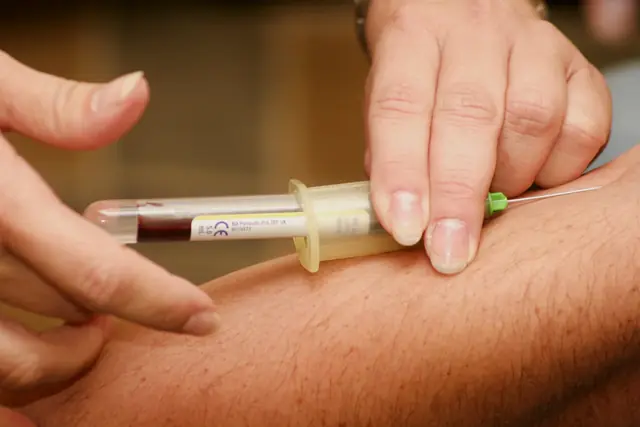 Dyslipidaemia (Cholesterol)
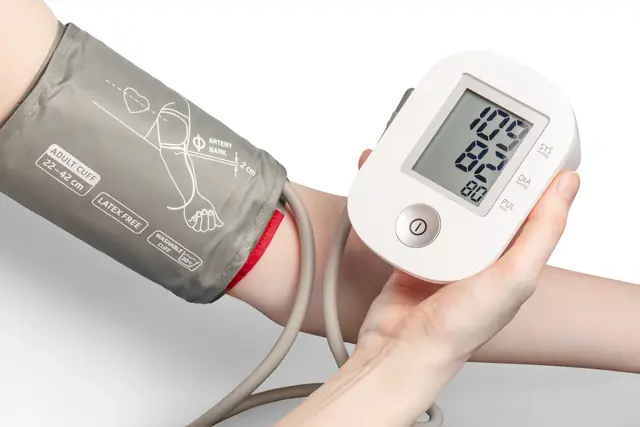 Hypertension
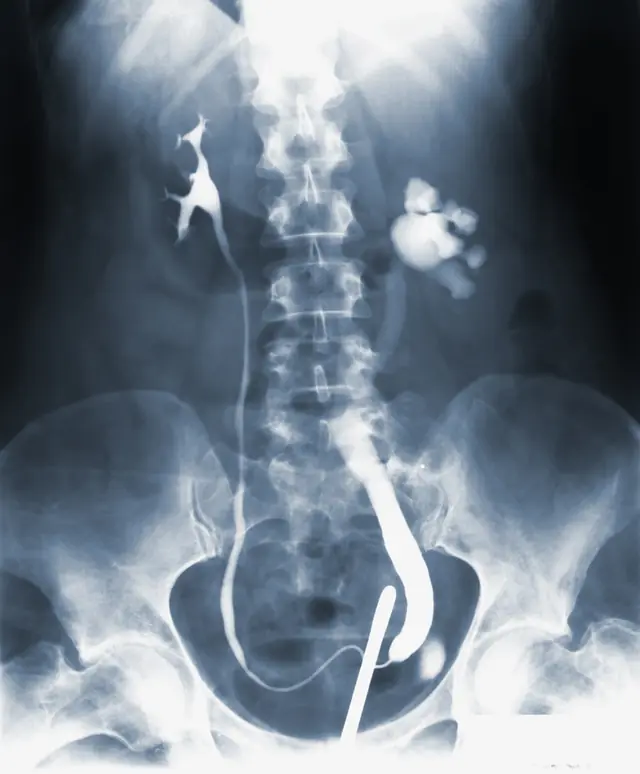 Osteoporosis
 Adrenal Gland Diseases
 Pituitary Diseases
 Sleep Disorders and Hormones
 Pregnancy and Endocrine Diseases
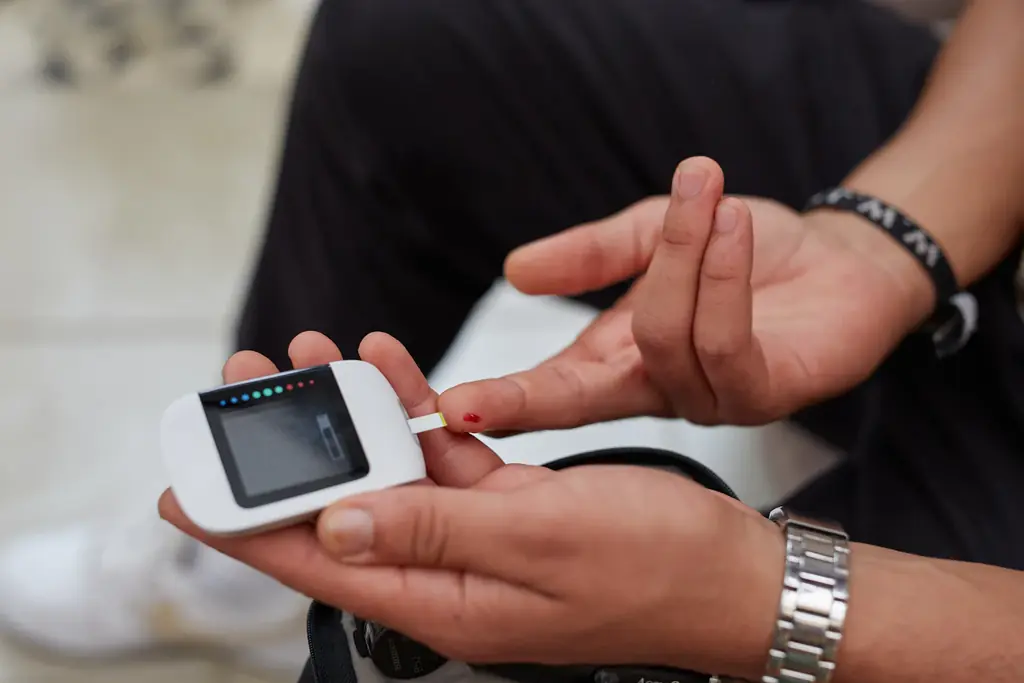
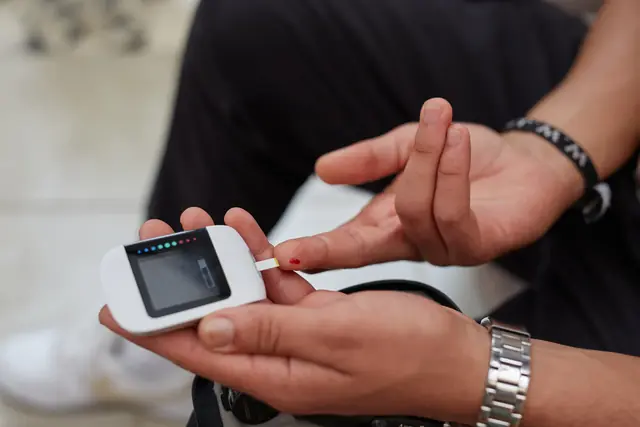
Diabetes is a chronic condition in which blood glucose remains high because the body does not produce enough insulin or cannot use it effectively. In Turkey roughly one in seven adults has diabetes, and many are unaware of it.
Assoc. Prof. Dr. İbrahim Demirci is an investigator in the nationwide TEMD studies involving thousands of people with diabetes, with numerous international publications on hypertension, dyslipidaemia, obesity, vaccination and drug use in diabetes.
Types of Diabetes
- Type 1: autoimmune destruction of insulin-producing cells; treated with insulin.
- Type 2: the most common type, linked to insulin resistance, obesity and genetics.
- Gestational diabetes: high blood glucose first detected in pregnancy.
- Other types: monogenic diabetes (MODY), pancreatic disease, steroid-induced diabetes.
Symptoms
Increased thirst and urination, dry mouth, unexplained weight loss, fatigue, blurred vision, slow-healing wounds and tingling in the hands or feet. Type 2 diabetes may cause no symptoms for years.
Diagnosis
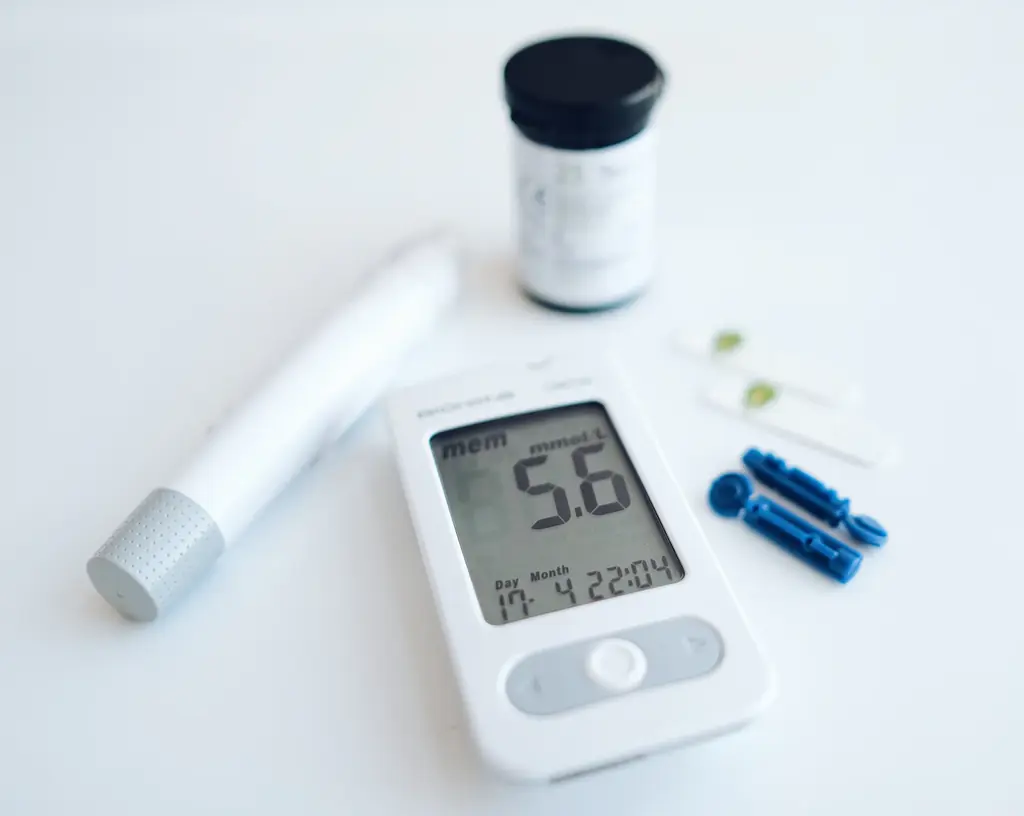
Diabetes is diagnosed with a fasting glucose ≥126 mg/dL, HbA1c ≥6.5%, a 2-hour OGTT value ≥200 mg/dL, or a random glucose ≥200 mg/dL with symptoms. A fasting glucose of 100–125 mg/dL indicates prediabetes.
Treatment
Treatment is individualised according to age, disease duration, weight, heart and kidney health and hypoglycaemia risk. It includes nutrition and activity planning, modern oral and injectable medications (metformin, SGLT-2 inhibitors, DPP-4 inhibitors, GLP-1 receptor agonists), insulin therapy when needed and continuous glucose monitoring (CGM).
Preventing Complications
Regular monitoring of HbA1c, blood pressure, cholesterol, kidney function and urinary albumin, together with annual eye and foot examinations and recommended vaccinations, helps prevent eye, kidney, nerve and cardiovascular complications.
Frequently asked questions
Can type 2 diabetes go into remission?
Yes, especially early in the disease and with significant weight loss some patients achieve normal glucose levels without medication. Regular follow-up should continue.
What should my HbA1c be?
For most adults the target is below 7%, but targets are individualised, particularly for older people or those at risk of hypoglycaemia.
Does starting insulin mean my diabetes is worse?
Not necessarily. Insulin is an effective treatment and may sometimes be used temporarily.

Content on this website is for information only and does not replace a medical consultation.