 Obesity and Weight Management
 Diabetes
 Thyroid Diseases
 Parathyroid Diseases
 Dyslipidaemia (Cholesterol)
 Hypertension
 Osteoporosis
 Adrenal Gland Diseases
 Pituitary Diseases
 Sleep Disorders and Hormones
 Pregnancy and Endocrine Diseases
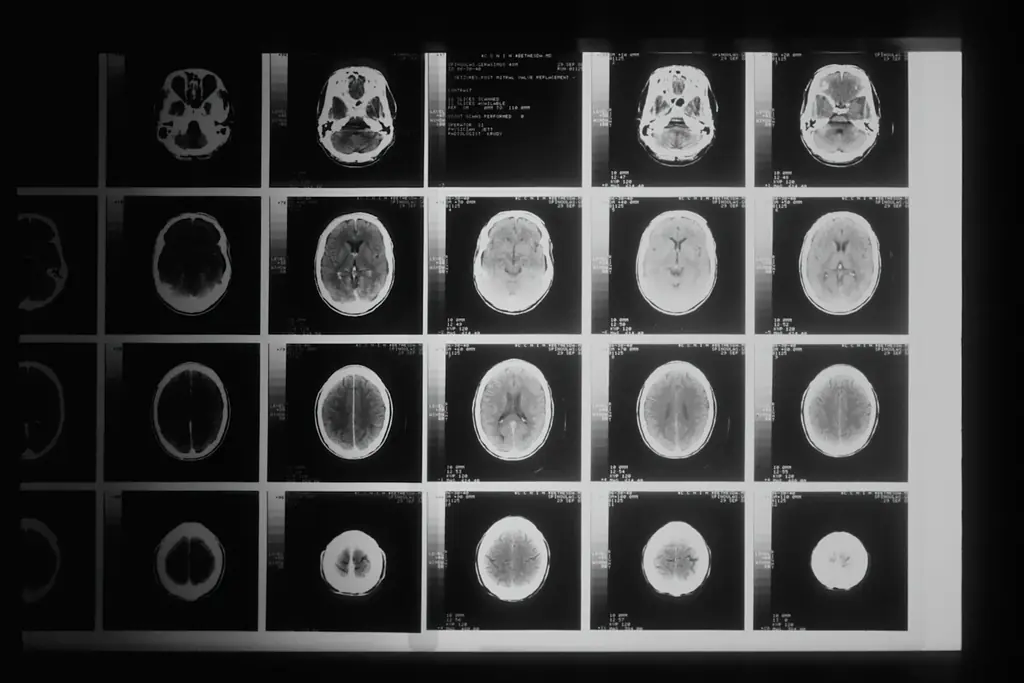
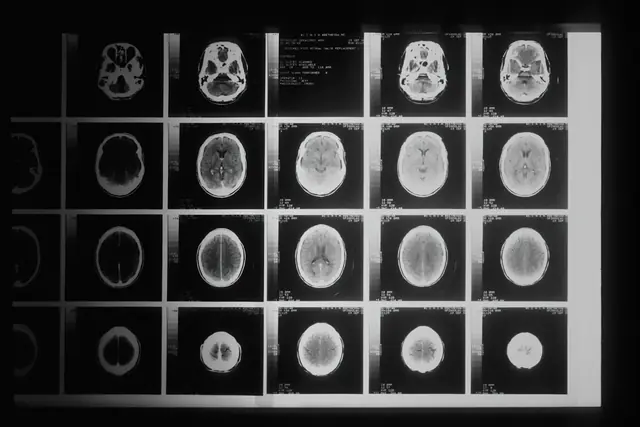
The pituitary gland at the base of the brain controls many other endocrine glands. Dr. Demirci co-authored the “Pituitary Incidentalomas” chapter in Endocrinology from Past to Future.
Pituitary Adenomas
Almost always benign, they cause problems by secreting excess hormone, by pressing on nearby structures such as the optic nerves, or by causing hormone deficiencies.
- Prolactinoma: irregular periods, breast discharge and infertility in women; low libido in men. Usually treated successfully with medication.
- Acromegaly: growth hormone excess with enlarged hands and feet, coarse facial features and joint pain.
- Cushing's disease: ACTH-driven cortisol excess.
- Non-functioning adenomas and incidentalomas: hormone testing and MRI follow-up.
Hypopituitarism and Diabetes Insipidus
Deficiency of one or more pituitary hormones is treated with hormone replacement. Diabetes insipidus — excessive dilute urine and thirst due to ADH deficiency — is diagnosed with special tests and treated with medication.
Care is coordinated with neurosurgery, radiology and ophthalmology at Güven Hospital.
Frequently asked questions
Is a pituitary tumour cancer?
Pituitary adenomas are almost always benign and do not spread, but may need treatment because of hormone excess or pressure effects.
Does high prolactin need surgery?
Most prolactinomas are controlled with medication; surgery is reserved for selected cases.

Content on this website is for information only and does not replace a medical consultation.