 Obesity and Weight Management
 Diabetes
 Thyroid Diseases
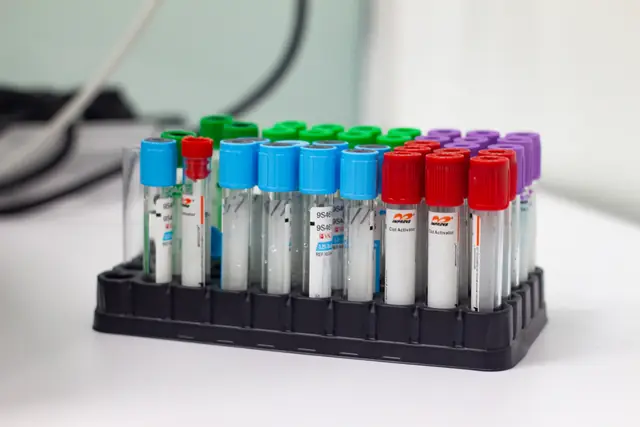 Parathyroid Diseases
 Dyslipidaemia (Cholesterol)
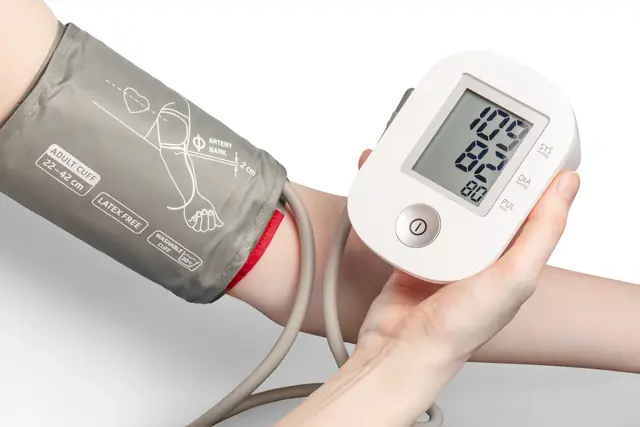 Hypertension
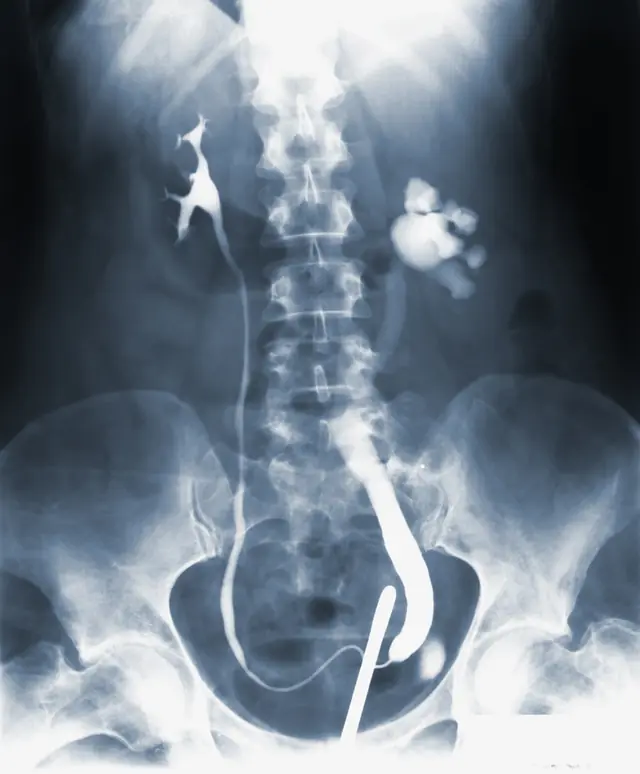 Osteoporosis
 Adrenal Gland Diseases
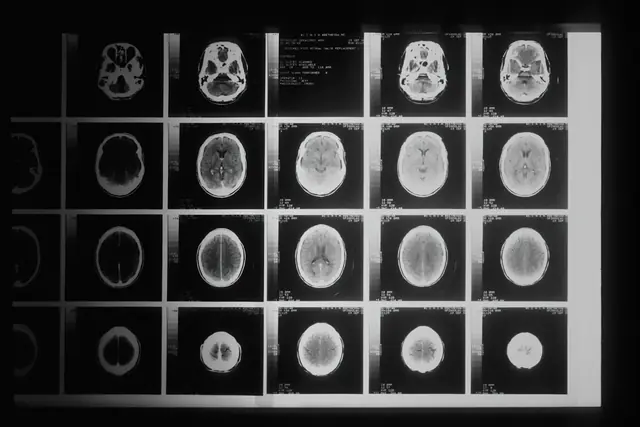 Pituitary Diseases
 Sleep Disorders and Hormones
 Pregnancy and Endocrine Diseases

PCOS affects about 6–13% of women of reproductive age and is a whole-body metabolic and hormonal syndrome, not just an ovarian condition.
Diagnosis (Rotterdam Criteria)
At least two of: irregular or absent ovulation, clinical or biochemical androgen excess, and polycystic ovaries on ultrasound — after excluding thyroid disease, high prolactin, congenital adrenal hyperplasia and Cushing's syndrome.
Insulin Resistance
Present in most women with PCOS, regardless of weight; high insulin increases ovarian androgen production.
Long-Term Risks
Prediabetes and type 2 diabetes, gestational diabetes, dyslipidaemia, fatty liver, sleep apnoea, endometrial thickening and mood disorders.
Treatment
Weight loss of 5–10% when overweight, oral contraceptives and anti-androgens for cycles and hirsutism, metformin for metabolic risk, anti-obesity medication when appropriate and fertility treatment with a gynaecologist.
Frequently asked questions
Can women with PCOS get pregnant?
Yes, most women with PCOS conceive with appropriate treatment.

Content on this website is for information only and does not replace a medical consultation.