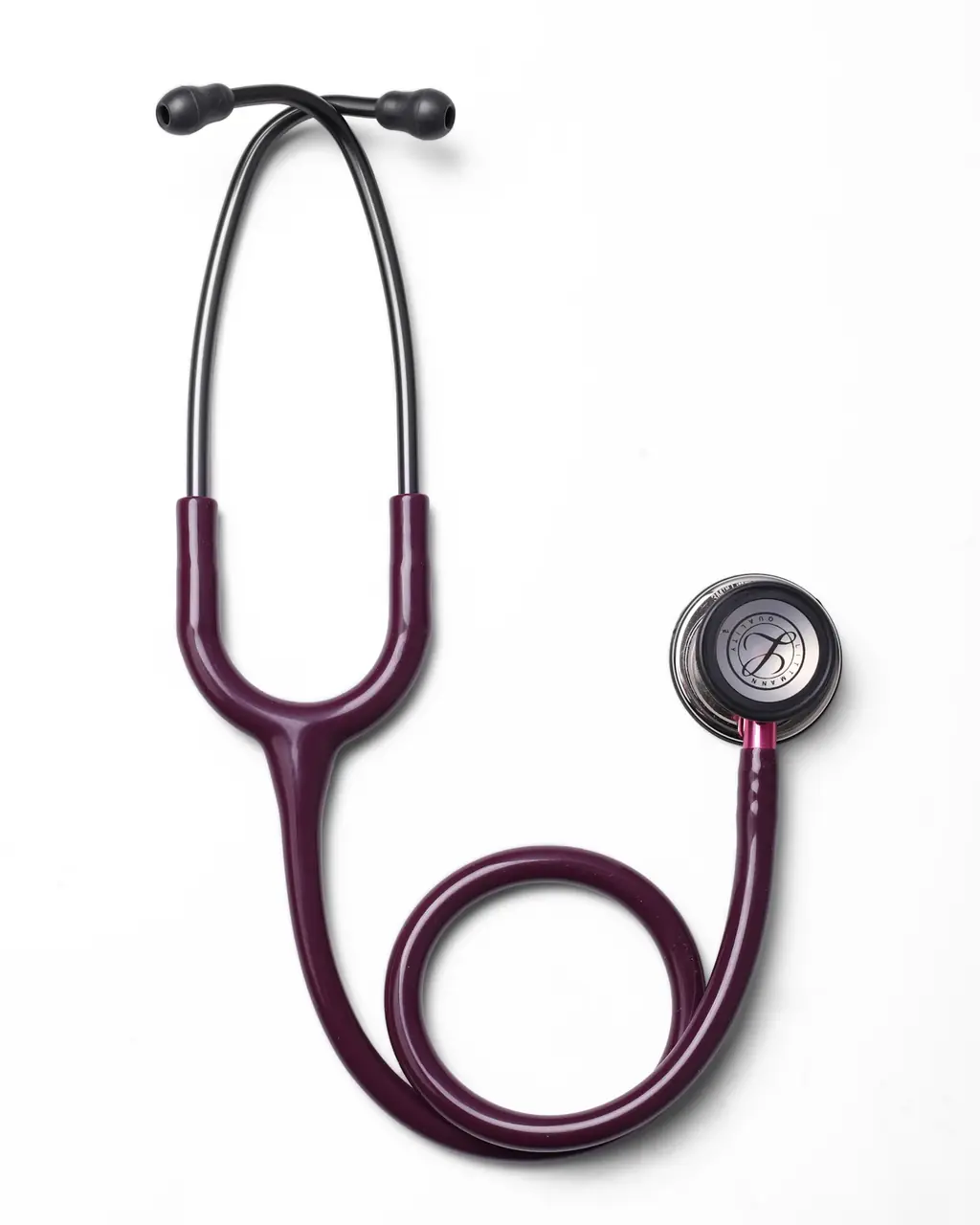
 Obesity and Weight Management
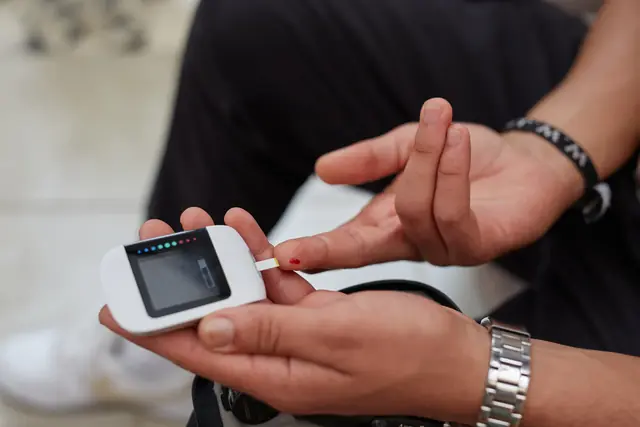 Diabetes
 Thyroid Diseases
 Parathyroid Diseases
 Dyslipidaemia (Cholesterol)
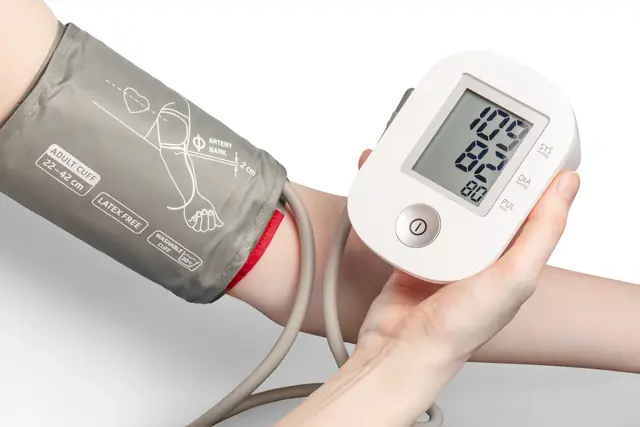 Hypertension
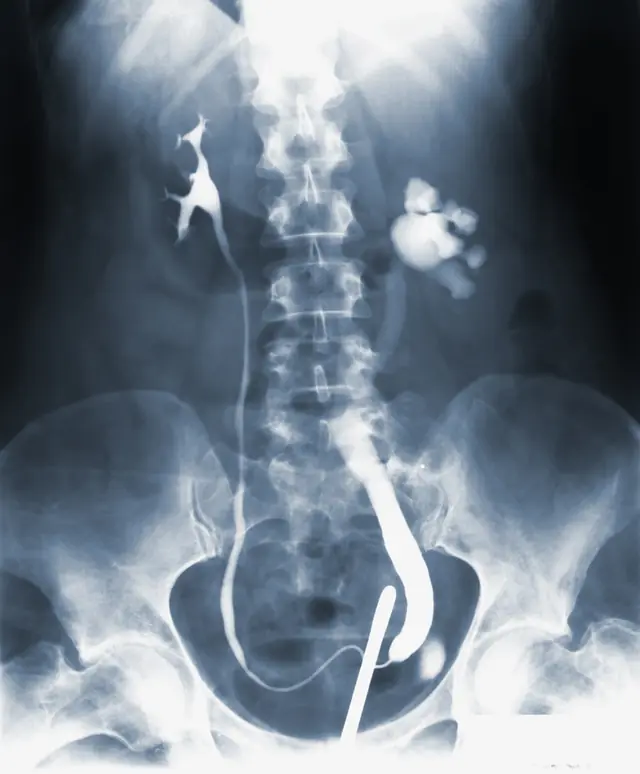 Osteoporosis
 Adrenal Gland Diseases
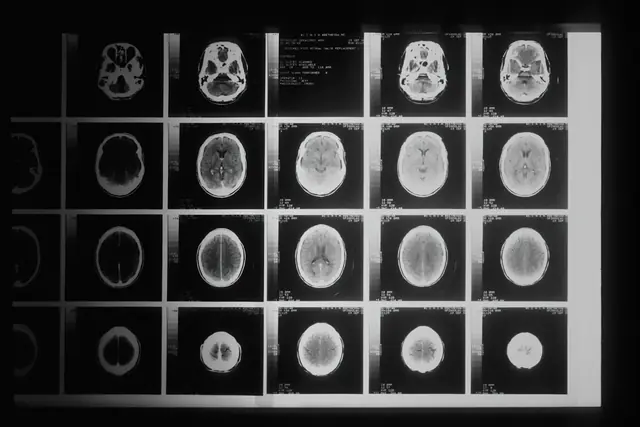 Pituitary Diseases
 Sleep Disorders and Hormones
 Pregnancy and Endocrine Diseases
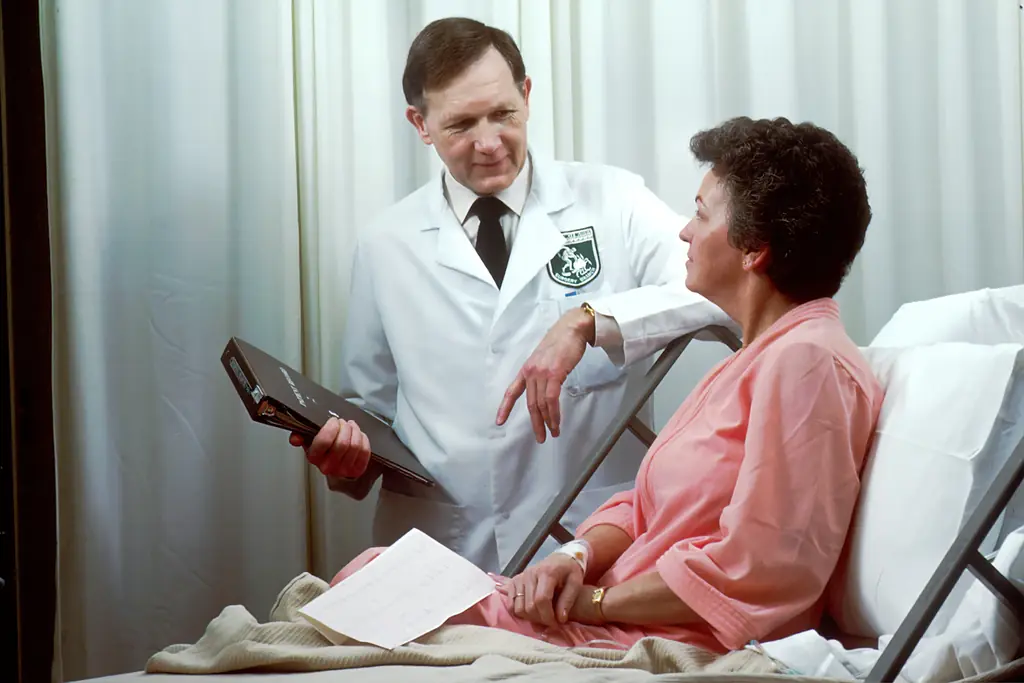
Endocrinology is the branch of medicine dealing with hormone-producing glands and the metabolic processes they control. In Turkey, an endocrinologist first completes internal medicine training and then around three years of subspecialty training.
Glands and Conditions
- Thyroid: hypothyroidism, hyperthyroidism, Hashimoto's, nodules, goitre, thyroid cancer follow-up
- Pancreas: diabetes, prediabetes, insulin resistance, hypoglycaemia
- Parathyroid: high or low calcium
- Adrenal glands: Cushing's syndrome, adrenal insufficiency, adrenal masses, hormonal hypertension
- Pituitary: adenomas, high prolactin, growth hormone disorders
- Ovaries and testes: PCOS, low testosterone, hirsutism
Metabolic conditions such as obesity, high cholesterol, osteoporosis and vitamin D deficiency are also part of endocrinology. These often occur together, and the endocrinologist's role is to evaluate the whole picture.
When Should You See an Endocrinologist?
- High blood sugar or a strong family history of diabetes
- Unexplained weight gain or loss
- Persistent fatigue, cold intolerance, palpitations or tremor
- A neck swelling or a thyroid nodule on ultrasound
- High calcium on a blood test
- Hypertension starting at a young age or resistant to treatment
- Irregular periods, excess hair growth or breast discharge
- An incidental adrenal or pituitary mass on imaging
- Low bone density
What Happens at the Visit?
A detailed history, physical examination and relevant hormone tests, often best performed in the morning while fasting. Bring previous results and a list of medications. To book, visit our appointment page.
Frequently asked questions
Should I fast before an endocrinology visit?
A morning appointment after 8–12 hours of fasting allows most tests to be done the same day.
Content on this website is for information only and does not replace a medical consultation.