 Obesity and Weight Management
 Diabetes
 Thyroid Diseases
 Parathyroid Diseases
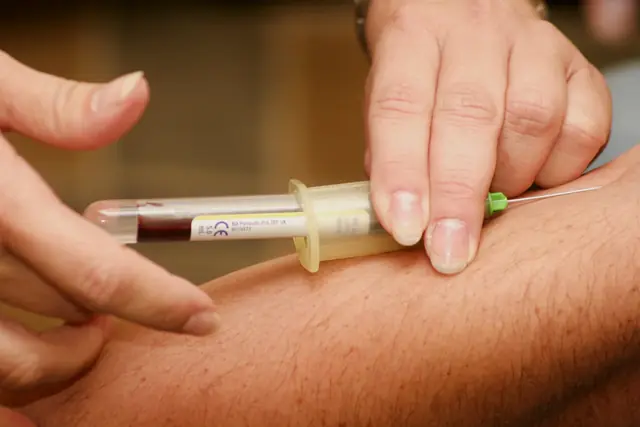 Dyslipidaemia (Cholesterol)
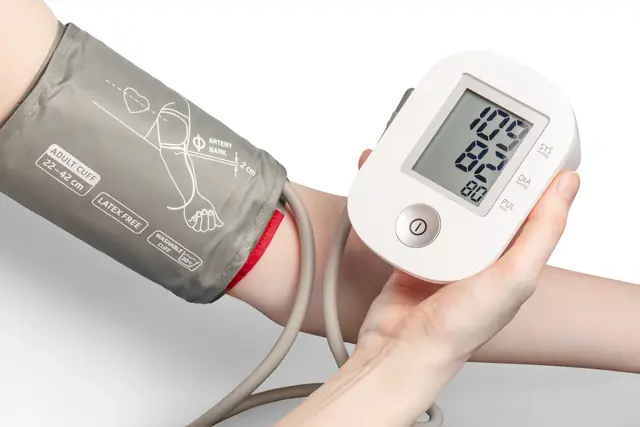 Hypertension
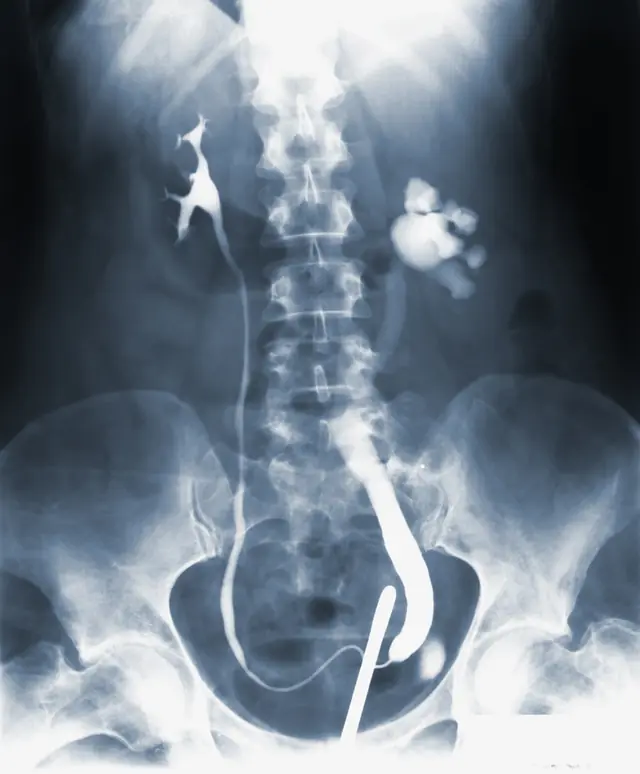 Osteoporosis
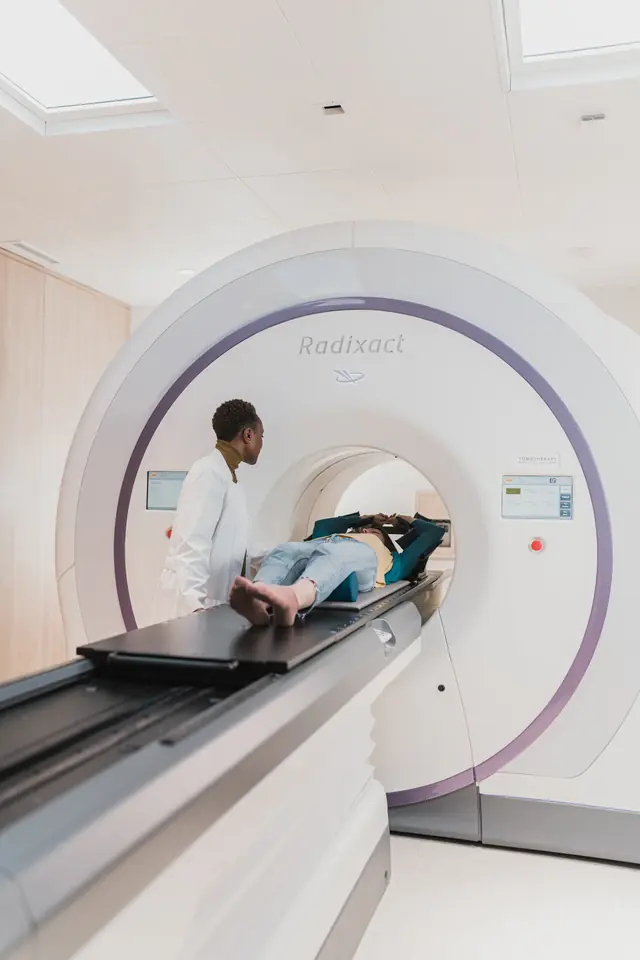 Adrenal Gland Diseases
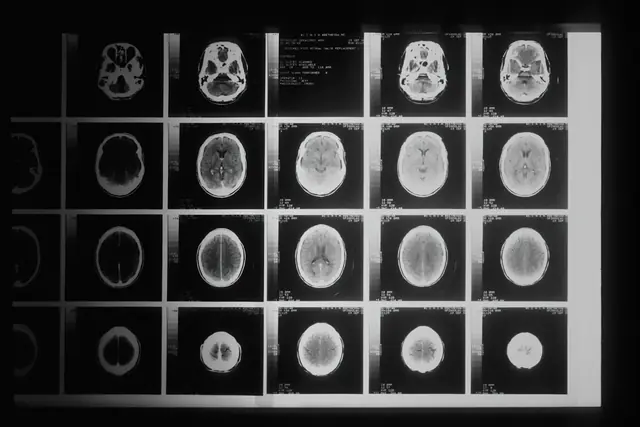 Pituitary Diseases
 Sleep Disorders and Hormones
 Pregnancy and Endocrine Diseases
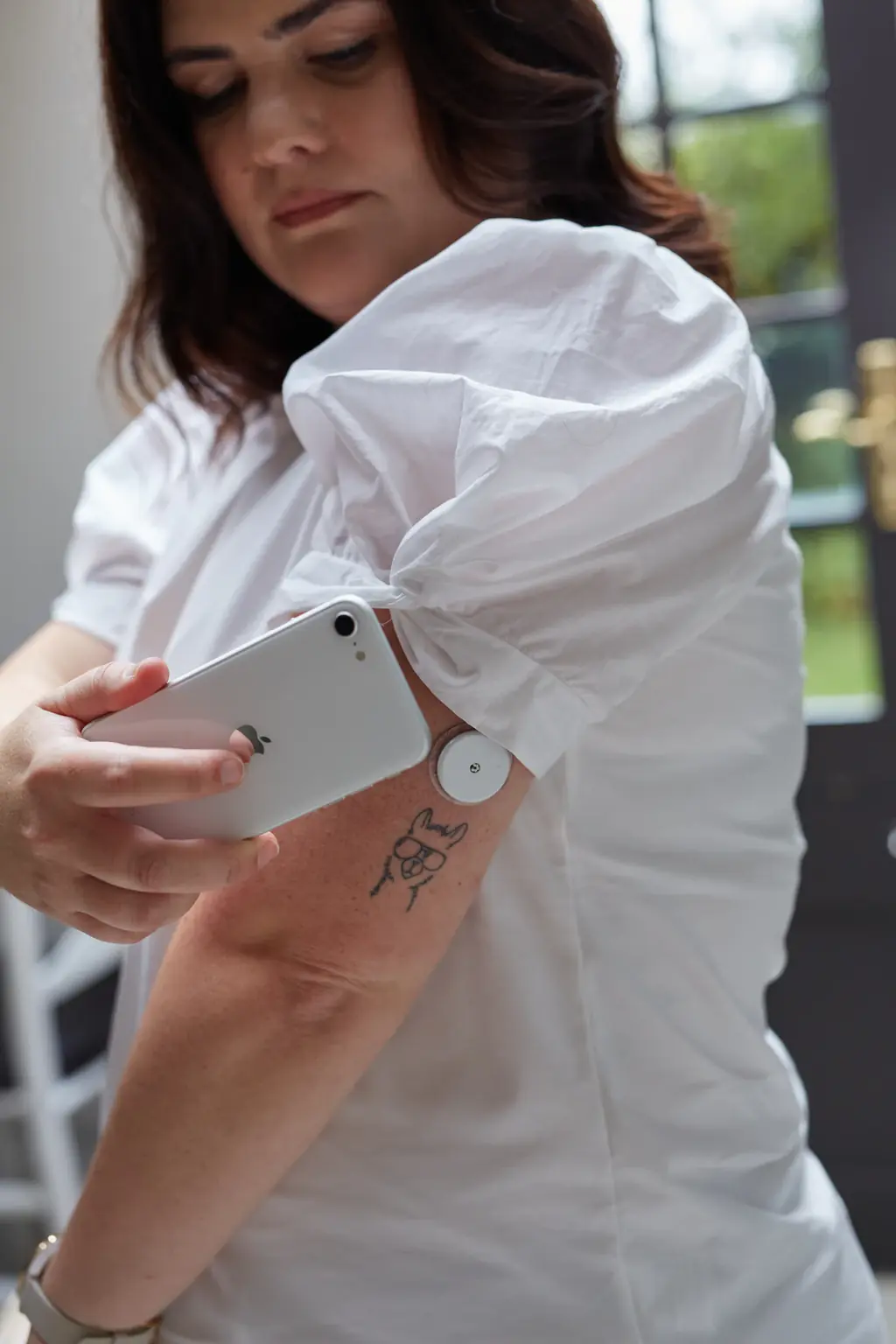
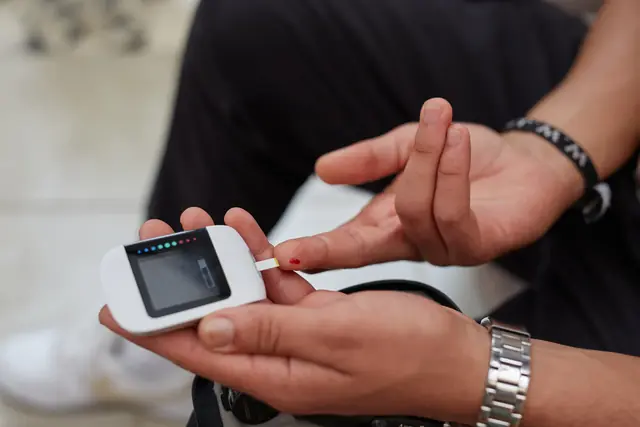
CGM devices measure glucose in interstitial fluid every few minutes through a small sensor worn on the arm or abdomen, sending data to a phone or reader. Sensors last about 7–15 days.
Benefits
A full 24-hour picture, trend arrows, alarms for highs and lows (especially valuable at night), fewer finger pricks and remote data sharing with family or physicians.
Who Benefits Most?
People with type 1 diabetes, type 2 diabetes on multiple daily insulin injections or pumps, frequent or unrecognised hypoglycaemia, diabetes in pregnancy, and situations where HbA1c is unreliable.
Key Metrics
- Time in range (70–180 mg/dL): target above 70% for most people
- Time below range: below 4%
- Time above range, glucose variability and the Ambulatory Glucose Profile (AGP)
Confirm with a finger-stick reading when symptoms don't match the sensor.
Frequently asked questions
Can I shower with a CGM?
Most sensors are water-resistant; follow the manufacturer's limits for swimming.

Content on this website is for information only and does not replace a medical consultation.