 Obesity and Weight Management
 Diabetes
 Thyroid Diseases
 Parathyroid Diseases
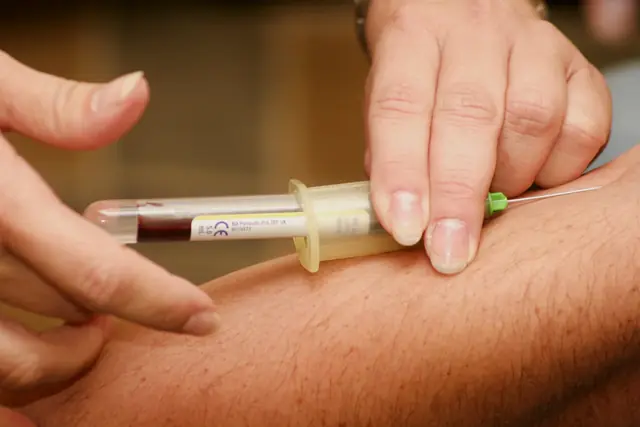 Dyslipidaemia (Cholesterol)
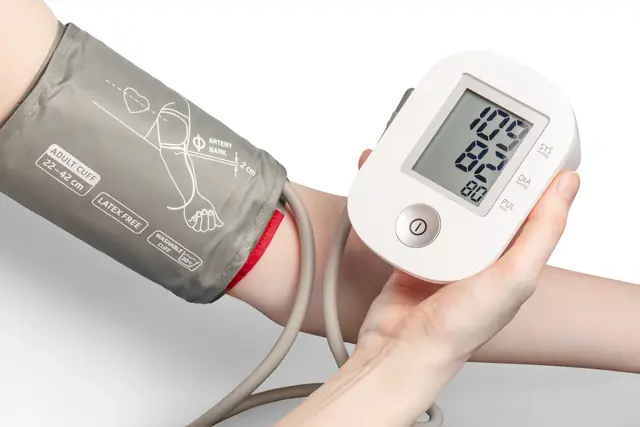 Hypertension
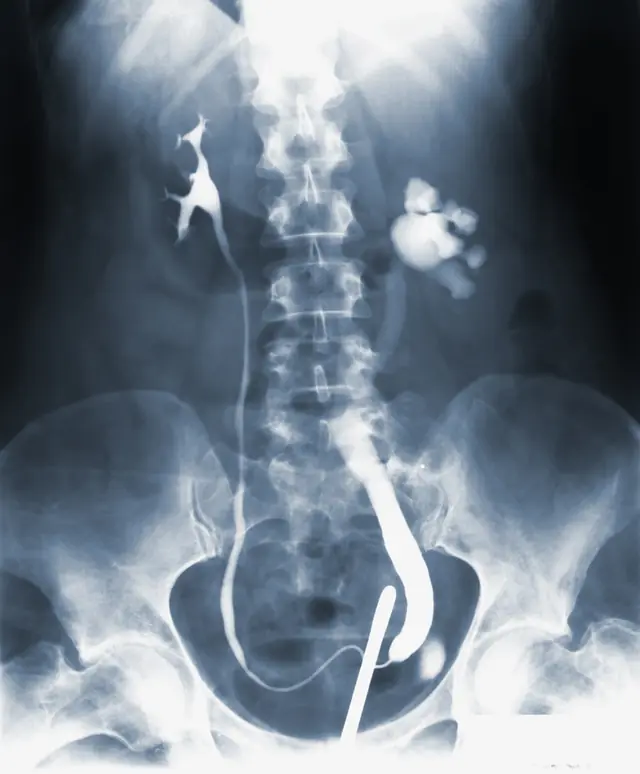 Osteoporosis
 Adrenal Gland Diseases
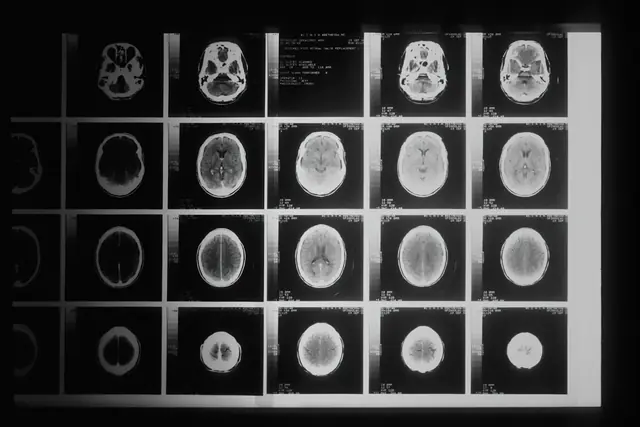 Pituitary Diseases
 Sleep Disorders and Hormones
 Pregnancy and Endocrine Diseases
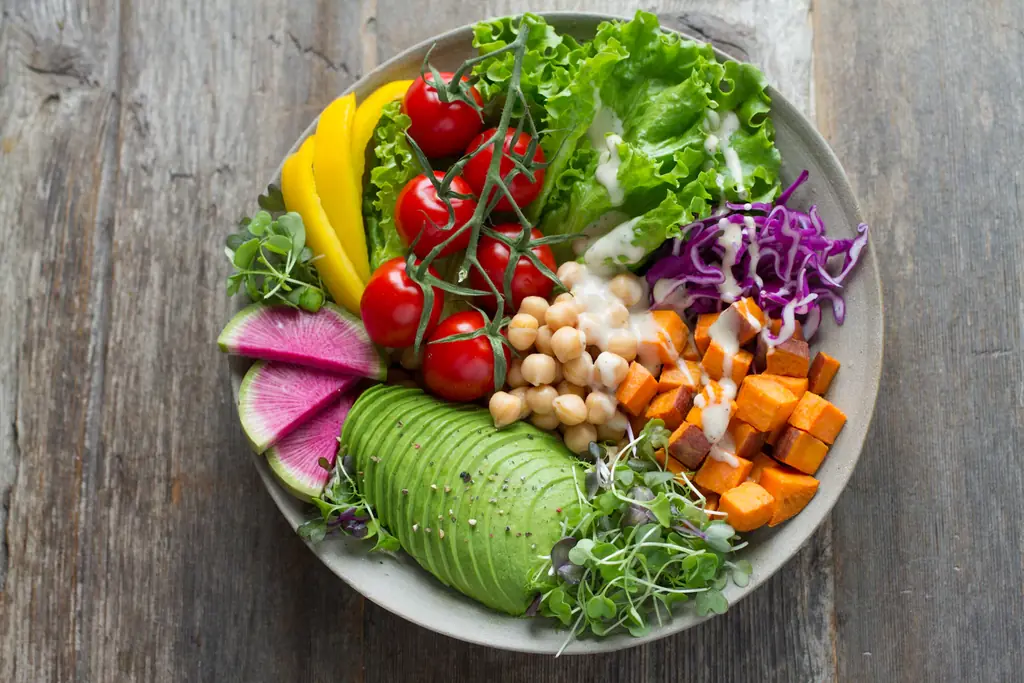
Insulin resistance means muscle, liver and fat cells respond poorly to insulin, so the pancreas must produce more to keep glucose normal. Over time this can lead to prediabetes and type 2 diabetes.
Causes
Abdominal (visceral) fat, inactivity, refined carbohydrates, genetics, poor sleep and sleep apnoea, PCOS, some hormonal disorders and medications such as steroids.
Signs
Increased waist size, dark velvety skin on the neck or armpits (acanthosis nigricans), skin tags, irregular periods, high triglycerides, low HDL and fatty liver.
Testing
HOMA-IR is commonly used but has no universal cut-off, so it is interpreted alongside waist, glucose, HbA1c, lipids and blood pressure. Dr. Demirci has published on the triglyceride-glucose (TyG) index as a simple marker of insulin resistance.
Improving Insulin Sensitivity
Losing 5–10% of body weight, at least 150 minutes of weekly activity plus resistance training, reducing sugary drinks and refined carbohydrates, good sleep and, in selected cases such as prediabetes or PCOS, metformin.
Frequently asked questions
Does everyone with insulin resistance need medication?
No. Lifestyle change is the foundation; medication is reserved for specific situations.

Content on this website is for information only and does not replace a medical consultation.