 Obesity and Weight Management
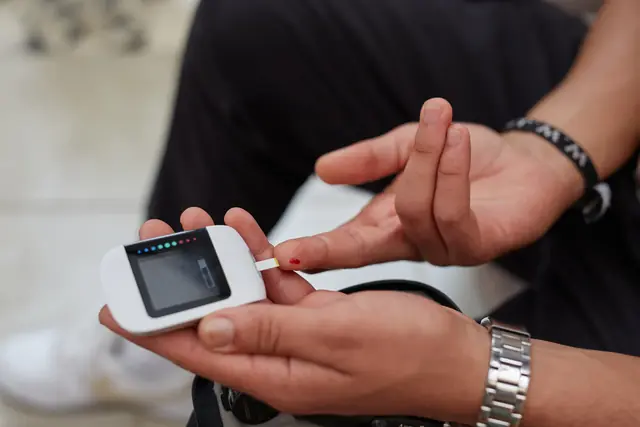 Diabetes
 Thyroid Diseases
 Parathyroid Diseases
 Dyslipidaemia (Cholesterol)
 Hypertension
 Osteoporosis
 Adrenal Gland Diseases
 Pituitary Diseases
 Sleep Disorders and Hormones
 Pregnancy and Endocrine Diseases

Both types raise blood glucose, but their causes and treatments differ.
Type 1 Diabetes
An autoimmune disease destroying insulin-producing beta cells. Often starts in childhood or young adulthood with rapid symptoms — thirst, frequent urination, weight loss — and can present with diabetic ketoacidosis. Insulin is essential.
Type 2 Diabetes
About 90% of cases. Insulin resistance plus declining insulin secretion, strongly linked to genetics, obesity and inactivity. Often silent for years; treated with lifestyle change, medications and sometimes insulin. Largely preventable.
Distinguishing Them
Autoantibodies (GAD, IA-2) and C-peptide levels help classify diabetes. LADA is slowly progressive autoimmune diabetes in adults, and MODY is a monogenic form with a strong family history — correct classification guides treatment.
A national study co-authored by Dr. Demirci found higher COVID-19 mortality in type 1 than type 2 diabetes, highlighting their different risk profiles.
Frequently asked questions
Can type 2 turn into type 1?
No, but insulin production may decline over time in type 2 diabetes, sometimes requiring insulin.

Content on this website is for information only and does not replace a medical consultation.